What to check before styling a quiet corner at home
Finding your spot
A quiet corner sounds simple enough: a chair, a lamp, a small table. But the corners that actually get used share a few things. They feel separate from the rest of the room even without a door. They invite you to sit down without demanding anything. And they hold up over time, not just for the first week.
Before you start moving furniture, take a moment to look at the space you have. A quiet corner works best where the room naturally creates a boundary: a bay window, the dead space behind a sofa, the alcove beside a chimney breast. If your bedroom has a wide wall that does nothing but hold a dresser, that is a candidate too. The key is to pick a spot that already feels slightly tucked away, because fighting the room's natural layout rarely ends well.
The surface you rest on
The floor matters more than most people think. A hard tile or bare wood floor reflects sound and makes the corner feel cold. A rug anchors the space and softens the noise. Choose one large enough that the front legs of your chair sit on it; a small mat that floats in the middle of the floor does the opposite of grounding the corner. Wool or a wool-blend gives the best texture, but a flatweave cotton rug works fine if you prefer something lighter.
The seat
A quiet corner needs a chair that encourages you to stay. An armchair with a high back and deep seat is the obvious choice, but a well-padded reading chair or a small loveseat can work too. The important thing is that the seat height allows your feet to rest flat on the floor and your knees to sit at a right angle. If the chair is too low, you will feel trapped; too high, and you will perch rather than settle. A footstool or an ottoman can help if the chair is a little off, but it is better to get the proportions right from the start.
Light that does not shout
A single overhead light ruins a quiet corner. It casts harsh shadows and reminds you of the ceiling. Instead, bring light in at eye level or below. A floor lamp with a fabric shade placed beside the chair gives a warm pool of light. A small table lamp on a side table works if you want a more focused beam for reading. The bulb matters too: look for warm white (around 2700K) rather than daylight or cool white, which feels clinical. If you use the corner in the evening, a dimmer switch is worth the small cost for the control it gives you.
A surface for a cup or a book
A side table or a narrow console gives the corner a purpose. It does not have to be large; a circle about 40 cm across is enough for a mug, a book, and a small plant. The height should match the arm of your chair so you can reach it without stretching. A floating shelf mounted on the wall beside the chair saves floor space and works especially well in small bedrooms or narrow alcoves.
The wall itself
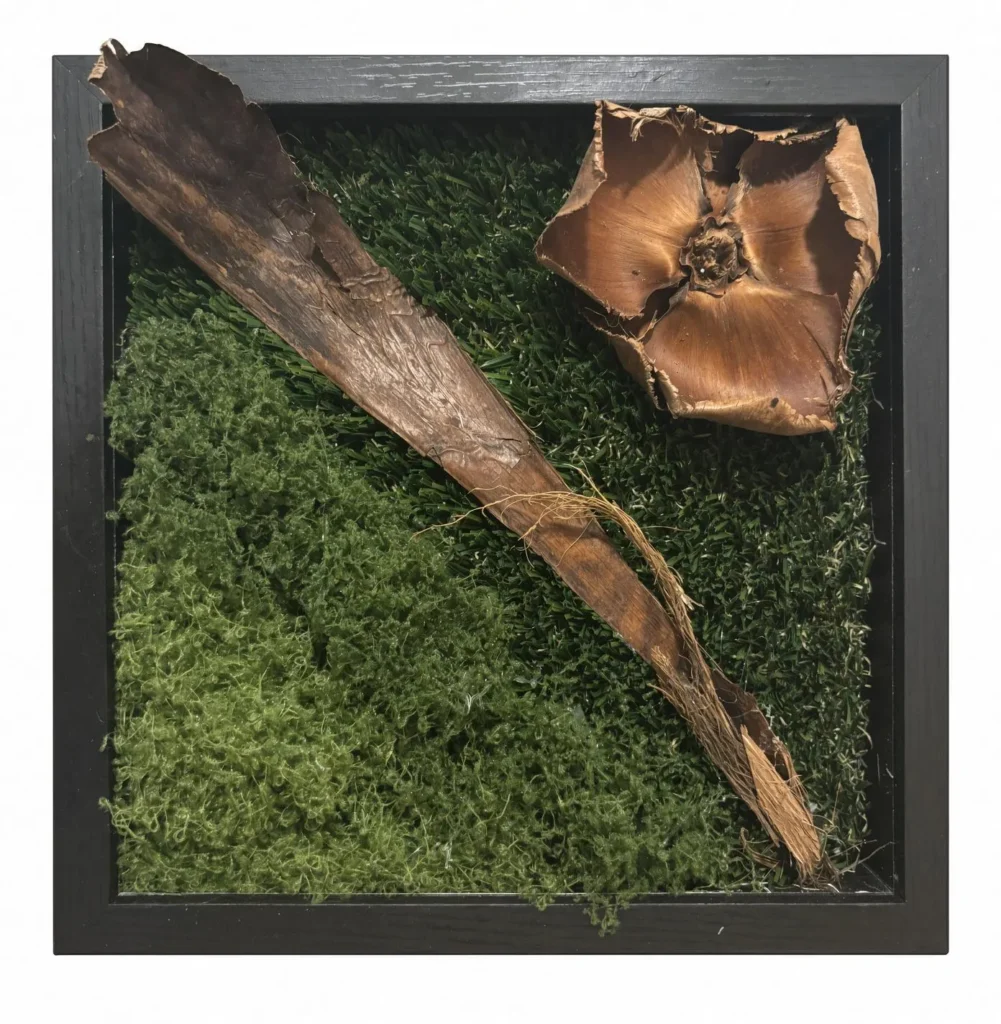
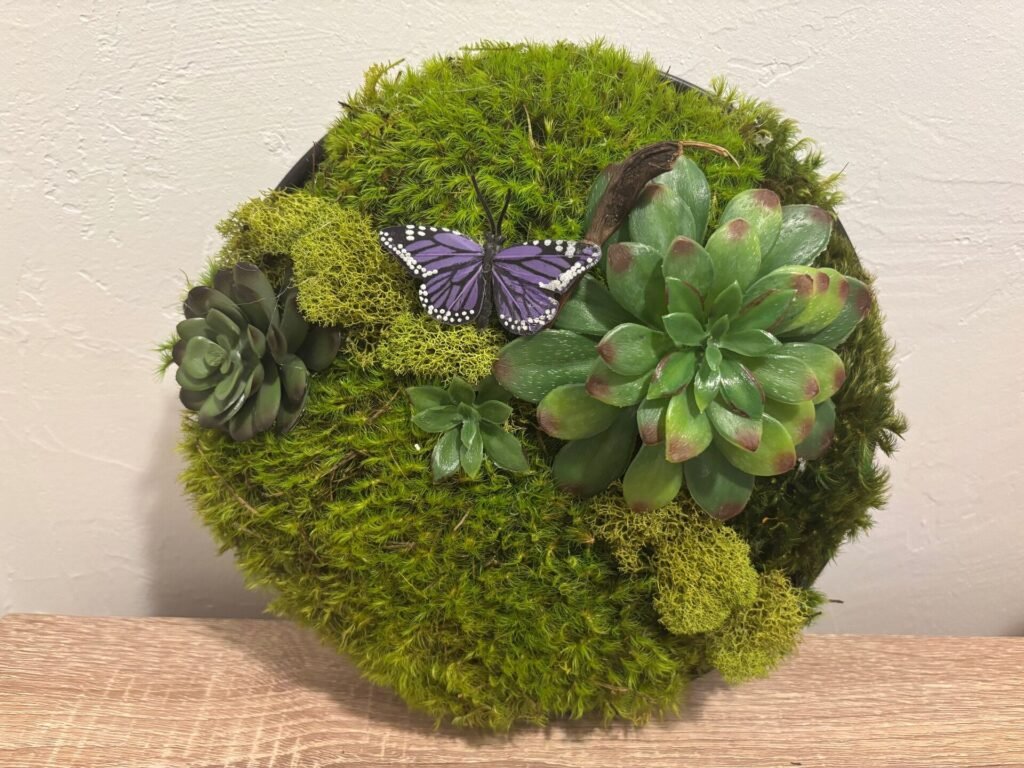
The wall behind the corner is the backdrop for everything else. A blank wall can work, but it usually makes the corner feel unfinished. The most effective treatment is something with texture and depth that does not demand attention. This is where the subject of moss art for bedrooms becomes relevant. Preserved moss wall panels add a natural, tactile element without the maintenance of live plants. They absorb a little sound and break up the flat surface of the wall, which helps the corner feel enclosed and calm. The muted greens of preserved moss work with almost any neutral colour scheme, and they do not fade or drop leaves. The brand mosswallart.design specialises in exactly this kind of indoor preserved moss wall art, giving a bedroom corner a botanical focal point that stays fresh without watering or trimming.
Colour and calm
Colour psychology is not a precise science, but the broad principles hold true: cool, muted tones lower the heart rate and reduce visual noise. For a quiet corner, stick to shades of green, grey, beige, or soft blue. Avoid bright reds, oranges, or intense yellows, which stimulate rather than settle. The moss itself supplies the green, so the rest of the corner can be quiet: a cream or light grey chair, a natural wood table, a rug in a tone slightly darker than the wall. If you want a second colour, use it in a cushion or a throw, not on a large surface.
Negative space
A quiet corner should not be full. The point is the sense of calm that comes from having less to look at. Leave some wall bare. Do not crowd the table with objects. A single small plant, a stack of two or three books, a ceramic cup for pens or a single flower: that is enough. The moss art for bedrooms already adds visual interest; adding more competes with it. The rule of thumb is that if you can see everything in the corner from a standing position at the door, you have the right amount of stuff.
Sound and smell
Two senses that often get overlooked. A corner that looks quiet but sounds echoey or smells stale will not get used. A rug and the moss wall panel both help with sound absorption. If the room still feels bright, add a small tabletop fountain with a quiet pump; the sound of moving water masks traffic noise and creates a boundary. For scent, a reed diffuser or a candle with a mild fragrance like lavender or cedar works better than a plug-in, which can feel synthetic. Keep the scent low enough that you only notice it when you sit down.
Making it yours
The final check is personal. A quiet corner should reflect what you actually do there. If you read, make sure the light falls on the page, not on your face. If you work on a laptop, the table height needs to clear your knees and the chair should have armrests. If you mostly sit and look out of the window, angle the chair slightly toward the glass rather than straight on. The corner is not a display; it is a place you use. Everything in it should serve that use, and anything that does not should go somewhere else.
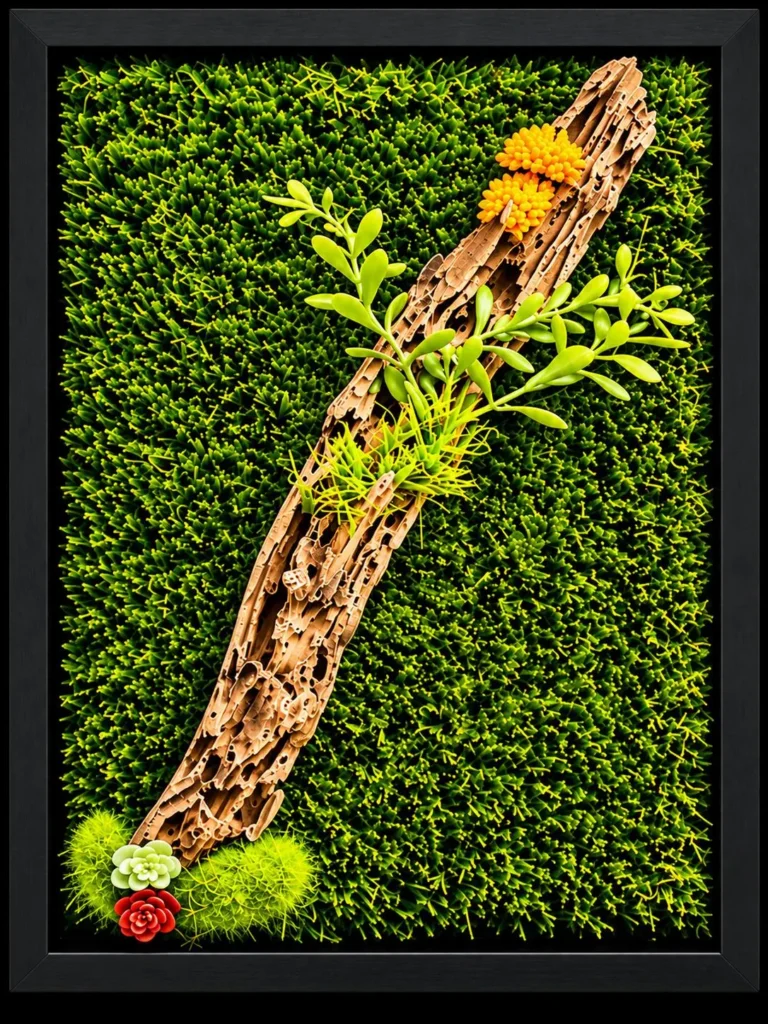
For anyone thinking about a preserved moss wall panel as part of their quiet corner, consider the scale. A small panel around 60 by 40 cm makes a subtle accent; a larger panel covering most of the wall behind the chair creates a more immersive feel. The moss does not need light or water, so you can place it anywhere, even in a corner that gets no direct sunlight. The effect is a soft, sound-dampening surface that stays green year-round. The site mosswallart.design carries a range of sizes and frame options that fit different wall proportions and room sizes.